Introduction
Have you ever pressed the button on your garage door opener, only to find that your garage door won't close? This can be frustrating and concerning, leaving you wondering what might be wrong. Whether it's a minor glitch or a significant issue, understanding the reasons behind this problem is crucial for efficient garage door maintenance. In this comprehensive guide, we'll dive into various troubleshooting steps so you can get your garage door back on track in no time.
Why Your Garage Door Won't Close: Troubleshooting Steps to Take
Understanding why your garage door won’t close is the first step in solving the issue. Here are some common culprits:
Obstructions in the Path- Sometimes it’s as simple as something blocking the sensor. Check if there's any debris or items lying under the door or along its tracks.
- The safety sensors may be misaligned or malfunctioning, preventing your garage door from closing.
- If your garage door opener is having problems, such as a dead battery or faulty wiring, it could prevent the door from functioning properly.
- Broken or damaged springs can lead to significant operational issues. These components play a pivotal role in lifting and lowering your garage door.
- The cables attached to your garage door opener may fray over time, leading to inefficiencies and potential safety hazards.
- Ensure that your power source is functional and that there are no tripped breakers affecting your garage door service.
- Sometimes the issue lies with the remote control itself—batteries can die or buttons may become unresponsive.
- If the tracks are not aligned correctly, this might hinder the smooth operation of your garage door.
- Extreme temperatures can impact how well your garage door functions, especially if moisture has caused rust or ice buildup.
- Regular maintenance is crucial for ensuring everything works smoothly; neglecting this aspect could lead to various problems down the line.
Step-by-Step Troubleshooting Guide
1. Inspect for Obstructions
One of the simplest yet most overlooked reasons why a garage door won't close is an obstruction in its path.
- Check beneath and around the edges of your garage door. Look for any small objects that might trigger the safety sensors, causing them to halt operation.
Quick Tip: A flashlight can help illuminate dark corners where obstructions may hide!
2. Check Garage Door Sensors
If you’ve ruled out obstructions but still face issues:
- Locate both sensors installed near the bottom of each side of the garage door frame. Make sure they’re clean; dirt and dust accumulation can block their functionality.
Note: If they appear misaligned (the lights may not be lit), gently adjust them until they face each other directly.
3. Test Your Garage Door Opener
Next up is checking whether your garage door opener is functioning smoothly:
- Listen for unusual sounds when pressing the button; grinding noises often indicate mechanical failure. If it doesn’t respond at all, try plugging it into another outlet to rule out power issues.
4. Examine Garage Door Springs
Garage door springs are essential components that bear most of the weight during operation:
- Inspect them visually for gaps or noticeable wear and tear. If you notice any issues here, it’s advisable to call professional services like "garage door service Moreton Bay" for safe repairs.
5. Assess Cable Condition
Another critical element involves examining cables attached to the springs:
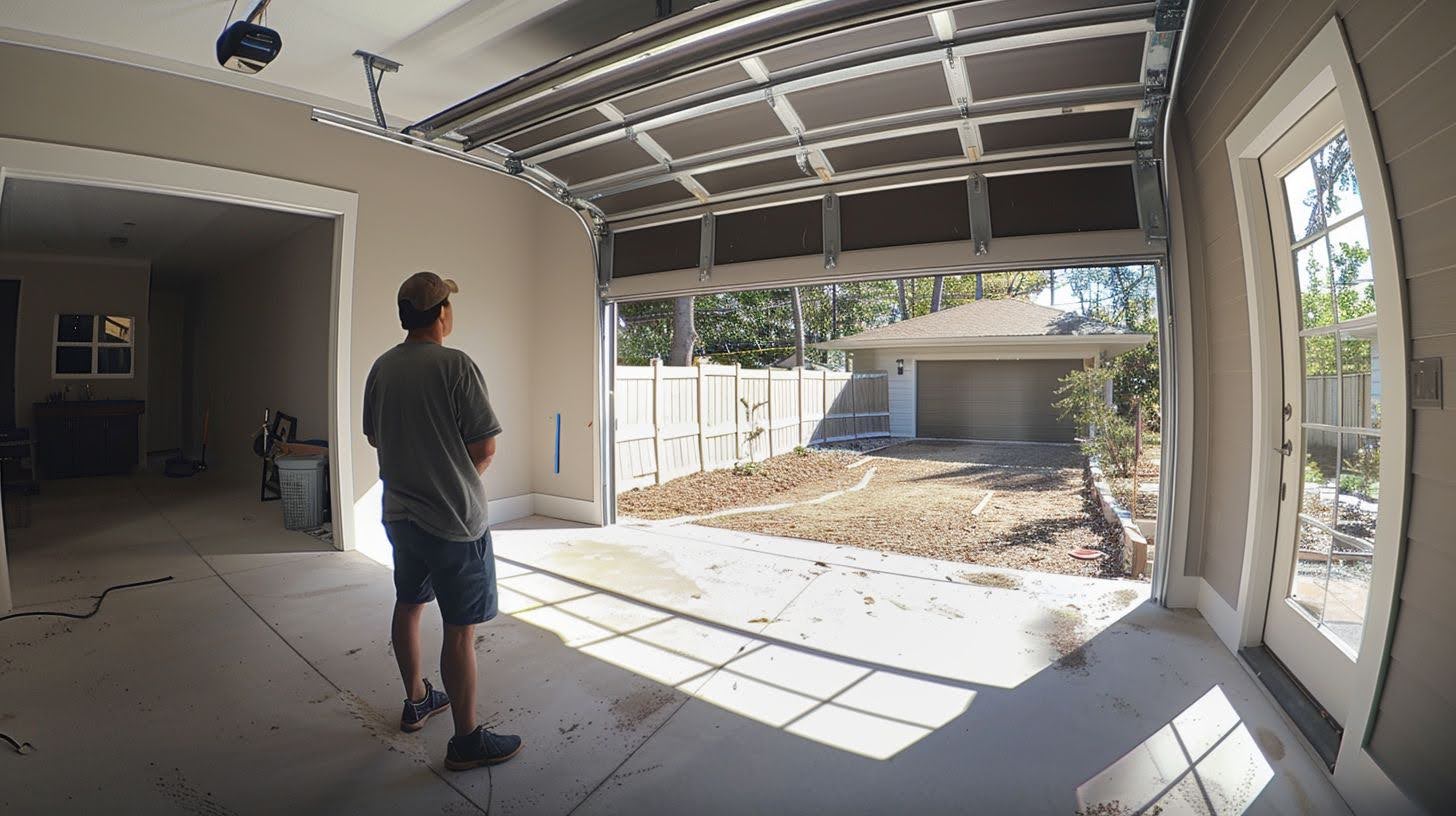
- Look for any signs of fraying or damage. Remember: cables under tension can be dangerous! Always consult a professional if you suspect damage.
6. Power Source Verification
Sometimes power-related issues can cause unexpected problems:
- Check circuit breakers connected specifically to your garage area; reset them if necessary.
Bonus Tip: Consider using a surge protector for added safety against electrical spikes!
7. Remote Control Inspection
A malfunctioning remote control may also prevent closure:
- Replace batteries if they're low on charge. Try using a different remote (if available) as a test.
8. Track Alignment Evaluation
Misalignment can cause serious issues with opening and closing mechanisms:
- Visually inspect track alignment; they should run parallel without bends.
Pro Tip: A level tool will help ensure accuracy when adjusting track alignment!
9. Weatherproofing Measures
Extreme weather conditions can impact functionality significantly:
- Ensure that seals are intact and free from moisture accumulation that could lead to rust or ice buildup.
Suggestion: Applying some lubricant during colder months might help with smoother operations!
10. Importance of Regular Maintenance
Last but certainly not least—maintenance!
Regular checks boost longevity while minimizing potential hassles down the road:
- Schedule annual check-ups with professionals who specialize in "garage door service."
FAQs
1. Why won’t my garage door close even though nothing's blocking it?
Your reliable local garage door service sensors might be misaligned or malfunctioning; make sure they're facing each other correctly!
2. How often should I maintain my garage doors?
It's recommended to perform maintenance at least once a year—more frequently if you use it extensively!
3. What could happen if I ignore these warnings?
Neglecting these signs could lead to dangerous situations like sudden falls or complete system failures requiring costly repairs!
4. Can I fix my broken springs myself?
We strongly advise against DIY spring replacements due to their high tension—always hire trained professionals instead!
5. Is it normal for my remote control battery life to vary?
Yes! Factors like usage frequency and environmental conditions affect battery longevity significantly over time.
6. How do I know when it's time for new equipment altogether?
If frequent repairs emerge alongside ongoing issues despite regular maintenance efforts—it might just be time for an upgrade!
Conclusion
In summary, there’s ample variety in why your garage door won't close—from minor obstructions or sensor misalignments all the way through significant equipment failures like springs and cables needing replacement! By following these thorough troubleshooting steps outlined above—including regular check-ups—you’ll ensure hassle-free access while keeping everything running smoothly year-round! So don’t hesitate: take action today before minor inconveniences escalate into major setbacks down the line!